


Cooling, Rewritten

A Breakthrough That Delivers Minimum +35 Percent Performance Gains
Across Cooling and Energy Systems

The Global Energy Bottleneck

Cooling systems account for nearly half of electricity use and over 40 percent of building emissions, shaping the performance, cost, and stability of data centres, industry, and power grids.

The Missing Layer in Global Cooling

Noditech introduces a new operating regime that unlocks performance standard systems cannot reach.

The Gap Was Real. Now It Isn’t.

Noditech closes the hidden efficiency gap inside HVAC and cooling systems worldwide. Built in, not bolted on.

Measurable Impact. Proven at Scale.

Backed by data. Deployed across large, complex portfolios
0
+35% Efficiency Gains
Validated across HVAC systems
0
Independently Tested
by national research institutes
0
Multi-System Compatible
HVAC, chillers, and heat pumps
0
Data Centre Ready
Demonstrated at 1 MW scale
0
Built To Scale
OEM-ready architecture

What It Delivers

Efficiency You Can Measure
Lower consumption, lower cost, and measurable reduction in emissions.

Lower consumption, lower cost, and measurable reduction in emissions.

Your challenges:

  • Rising electricity bills driven by cooling and heating demand
  • Comfort trade-offs during peak load conditions
  • Pressure to reduce operational emissions without major retrofits

Our insights let you:

  • Reduce energy consumption while maintaining stable indoor comfort
  • Improve system efficiency across partial and full load conditions
  • Achieve measurable emissions reduction using existing HVAC systems

For Buildings and Homes

Greater cooling capacity, smoother processes, and lower operational risk.

Your challenges:

  • High cooling loads impacting operating costs
  • Process sensitivity to temperature variation
  • Equipment stress and reduced system lifetime

Our insights let you:

  • Increase effective cooling output without expanding infrastructure
  • Stabilise thermal performance across operating conditions
  • Reduce energy use and mechanical stress on critical systems

For Industrial and Manufacturing Sites

A new class of high-efficiency products without major factory changes.

Your challenges:

  • Efficiency targets tightening faster than incremental innovation allows
  • Cost and complexity of redesigning product platforms
  • Need for scalable solutions across markets and refrigerants

Our insights let you:

  • Enable next-generation high-efficiency product lines
  • Integrate improved performance with minimal manufacturing change
  • Deliver scalable solutions compatible with existing architectures

For OEMs

Lower PUE, higher compute density, and more room to scale.

Your challenges:

  • Cooling energy as a major driver of OPEX
  • Difficulty maintaining low PUE at higher rack densities
  • Growing sustainability and reporting requirements

Our insights let you:

  • Reduce cooling energy consumption at facility scale
  • Support higher compute density without thermal compromise
  • Improve PUE while delivering measurable CO₂ reductions

For Data Centers and AI Infrastructure

Lower peak loads, more reliable energy supply, and stronger electrification capacity.

Your challenges:

  • Peak load stress from cooling-driven demand
  • Grid instability during high-temperature periods
  • Pressure to support electrification and decarbonisation goals

Our insights let you:

  • Lower peak demand through more efficient cooling systems
  • Improve grid resilience without limiting growth
  • Advance climate and energy targets using scalable infrastructure solutions

For Utilities and Cities

For Buildings and Homes

Lower consumption, lower cost, and measurable reduction in emissions.

For Industrial and Manufacturing Sites

Greater cooling capacity, smoother processes, and lower operational risk.

For OEMs

A new class of high-efficiency products without major factory changes.

For Data Centers and AI Infrastructure

Lower PUE, higher compute density, and more room to scale.

For Utilities and Cities

Lower peak loads, more reliable energy supply, and stronger electrification capacity.

When Experts Put It To The Test

Independent, repeatable validation across labs and institutions
A claim of this magnitude requires validation. Noditech has been tested in
controlled facilities, certified labs, and independent institutes.
rise-img.jpg
Independent Standards Testing

RISE, Swedish State Research Institute

  • Conducted EN 14511 standard testing
  • Recorded performance significantly higher than premium reference systems
Government Research Validation

Germi, Government Of India Siro Research Institute

  • Validated efficiency gains and reduced energy consumption
  • Confirmed strong performance in high temperature climates
Global-Engineering-Firm-img.jpg
Pre-Development Engineering Review

Global Engineering Firm Founded In 1895

  • Conducted technical and pre-development assessments
  • Confirmed broad applicability and transformative potential
Controlled Reproducibility Testing

Noditech Climate-Controlled Refrigeration Laboratory

All results were reproducible within Noditech’s 400 square meter climate-controlled refrigeration laboratory.

Where Energy Efficiency Becomes Infrastructure

Solutions engineered for performance, resilience, and scale
first-frontier.jpg

First Frontier: Cooling the World’s Computers

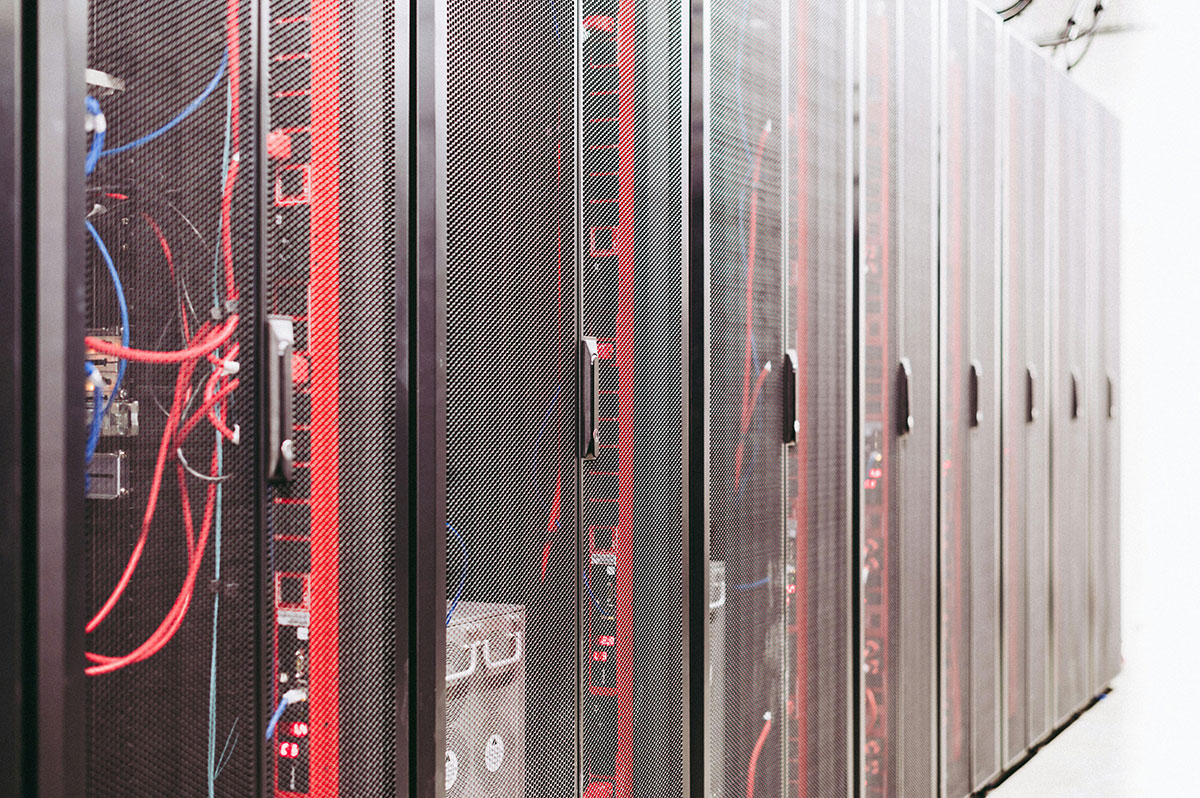
At 1 MW, Noditech delivers 35% lower cooling energy, avoids 125 t CO₂ per year, saves $210K annually and $5.6M over 25 years, while improving PUE and enabling higher density for AI-scale workloads.

Built for the Global Energy Rulebook

Designed for organizations scaling under tighter energy and emissions constraints, aligning with decarbonization goals, evolving refrigerant regulations, rising efficiency standards, and AI-driven cooling demand. Efficiency becomes a strategic lever for scale, resilience, and compliance.

The Missing Layer in Global Cooling

Efficiency stalled as operating regimes stayed unchanged. Noditech adds a new thermodynamic layer within conventional systems, enabling step-change efficiency, higher output, lower energy waste, and system-level compatibility without altering existing architecture.

Go to top